Hitachi
Contact UsContact Us

2026

♯06

Academy Letters

Activating One Hitachi:
Scaling Learning Through Regional Hubs

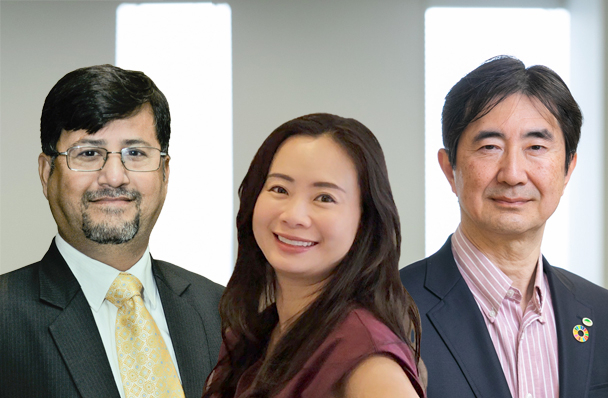
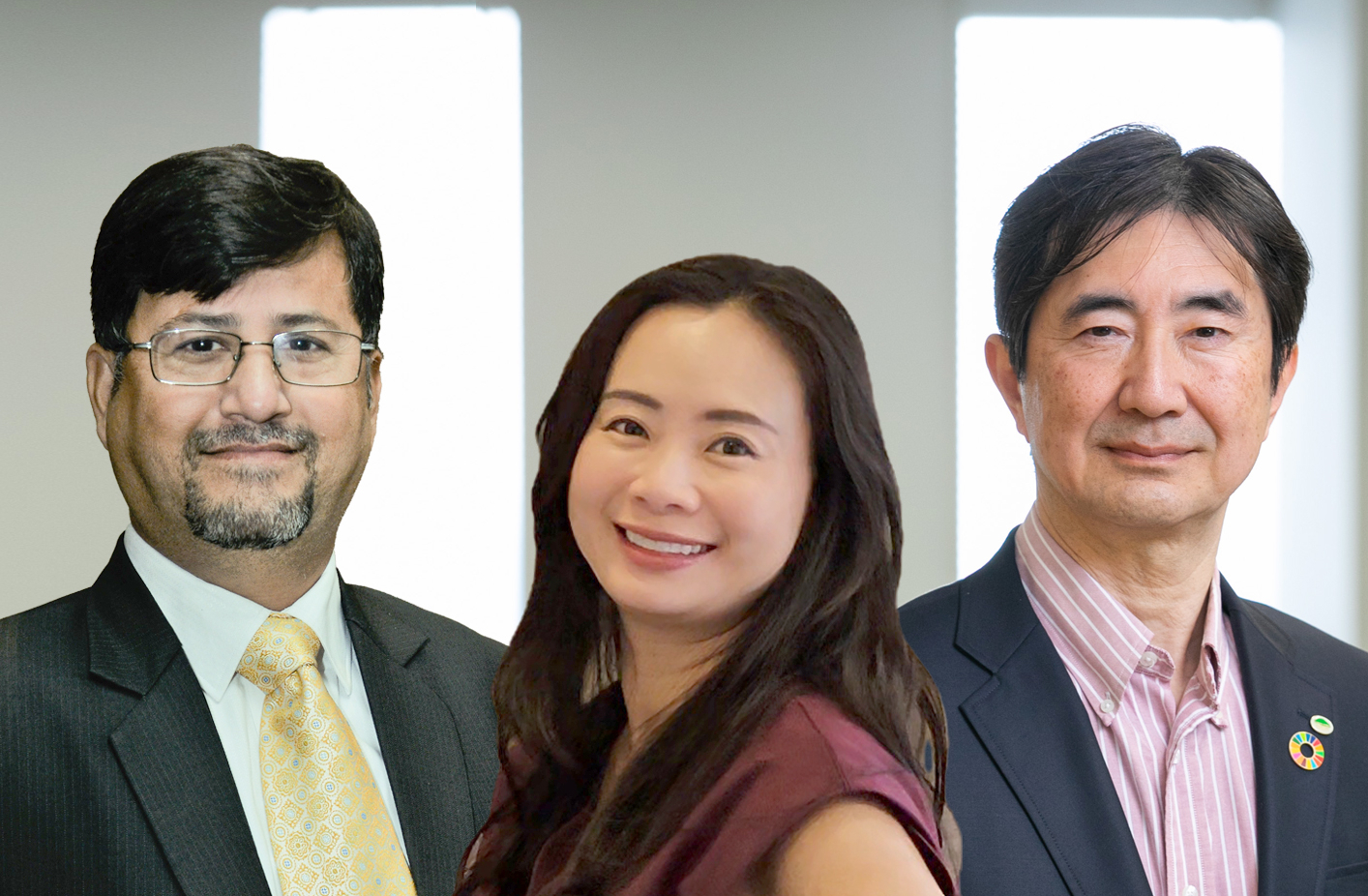
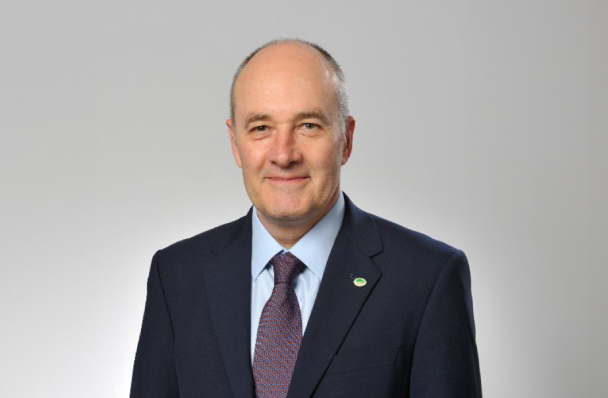
Ashutosh Anshu
(CHRO, Hitachi India)

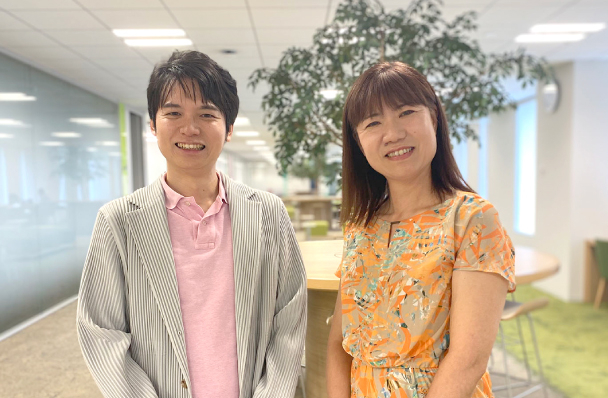
Yinn Ewe
(CHRO, Hitachi Asia)

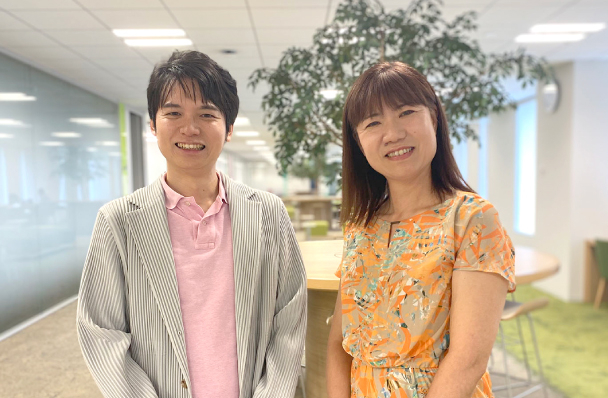
Hajime Kawamura
(President,
Hitachi Academy)

In July, Hitachi Academy launched regional Collaboration Offices in HAS and HIL as global learning hubs. To mark the milestone, Hitachi Academy's president and the CHROs of HAS and HIL discuss how this initiative will reshape learning, leadership, and business execution.

Why Now: Meeting Urgent Demand Locally

KawamuraTo kick things off, let me outline the background of this initiative. We're currently having big-picture discussions about launching a global corporate university for Hitachi. While the design will take time, we face a strong, immediate demand from our local businesses. They want robust learning and development opportunities delivered directly within their regions rather than waiting for annual global programs where seats are limited.

That's why we're launching local Hitachi Academy collaboration offices, targeting India and the Asia-Pacific region as our first two launch sites this July. Beyond immediate business demands, this move directly supports our Midterm Management Plan, Inspire 2027, which prioritizes an autonomous, decentralized global management model. Given the current geopolitical landscape, localized learning hubs are essential to achieving a true "One Hitachi" across the regions.
YinnYou've hit on a critical point, Kawamura-san. Shifting to an autonomous, decentralized management model requires a different and higher level of leadership. To fulfill our "True One Hitachi" ambition, we must actively build leaders who think and act at the enterprise level.

As for employee expectations, our people are navigating immense market change. Today, the half-life of professional skills is shrinking. Continuous learning is no longer just a nice-to-have; it's a strategic necessity and competitive advantage.

L&D is moving to the center of business strategy. I look at its evolution through a framework I call "ACE": it acts as an Amplifier for a skills-based talent economy, a Connector that brings different group companies together under One Hitachi, and an Enabler for our leaders. We expect so much from our leaders today, including emotional intelligence, business acumen, AI literacy, and change leadership. L&D plays a critical role in preparing them to lead effectively in a more complex environment.
AshutoshI completely agree. The need to accommodate regional requirements while maintaining our global standards is paramount. Hitachi Academy is a highly respected brand within the company, and the team in India is incredibly excited about this launch.

Indian professionals are deeply invested in upskilling. Historically, whenever we have opened nominations for global programs like GAP-M, we have seen overwhelming interest. Knowing that we can now fulfill this development need locally is a huge win. Our headcount in India is growing fast-- now at 40,000 and counting. Satisfying the self-development hunger of a workforce that size is a massive responsibility. Because it's impossible for global programs in Japan to accommodate everyone, these regional collaboration offices will play a pivotal role.

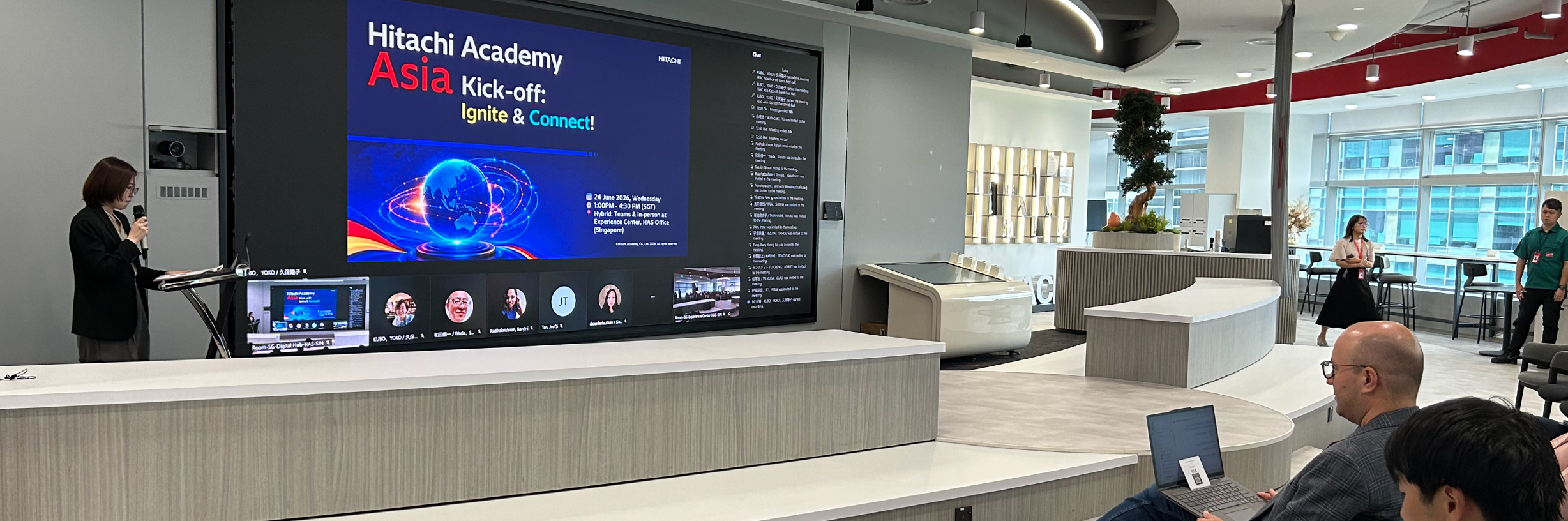
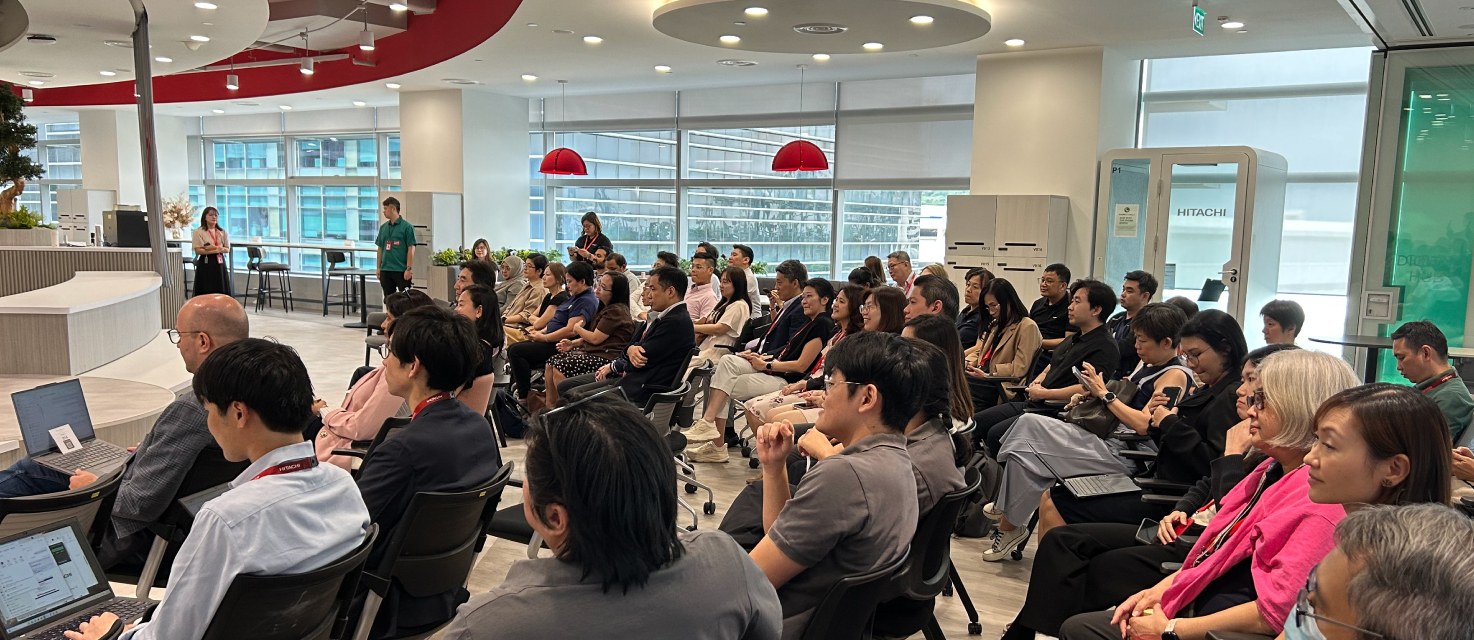
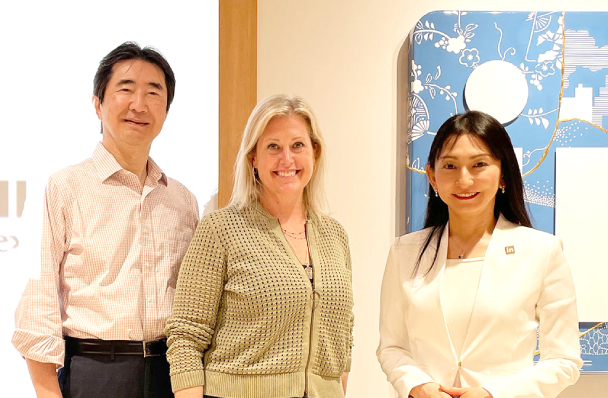
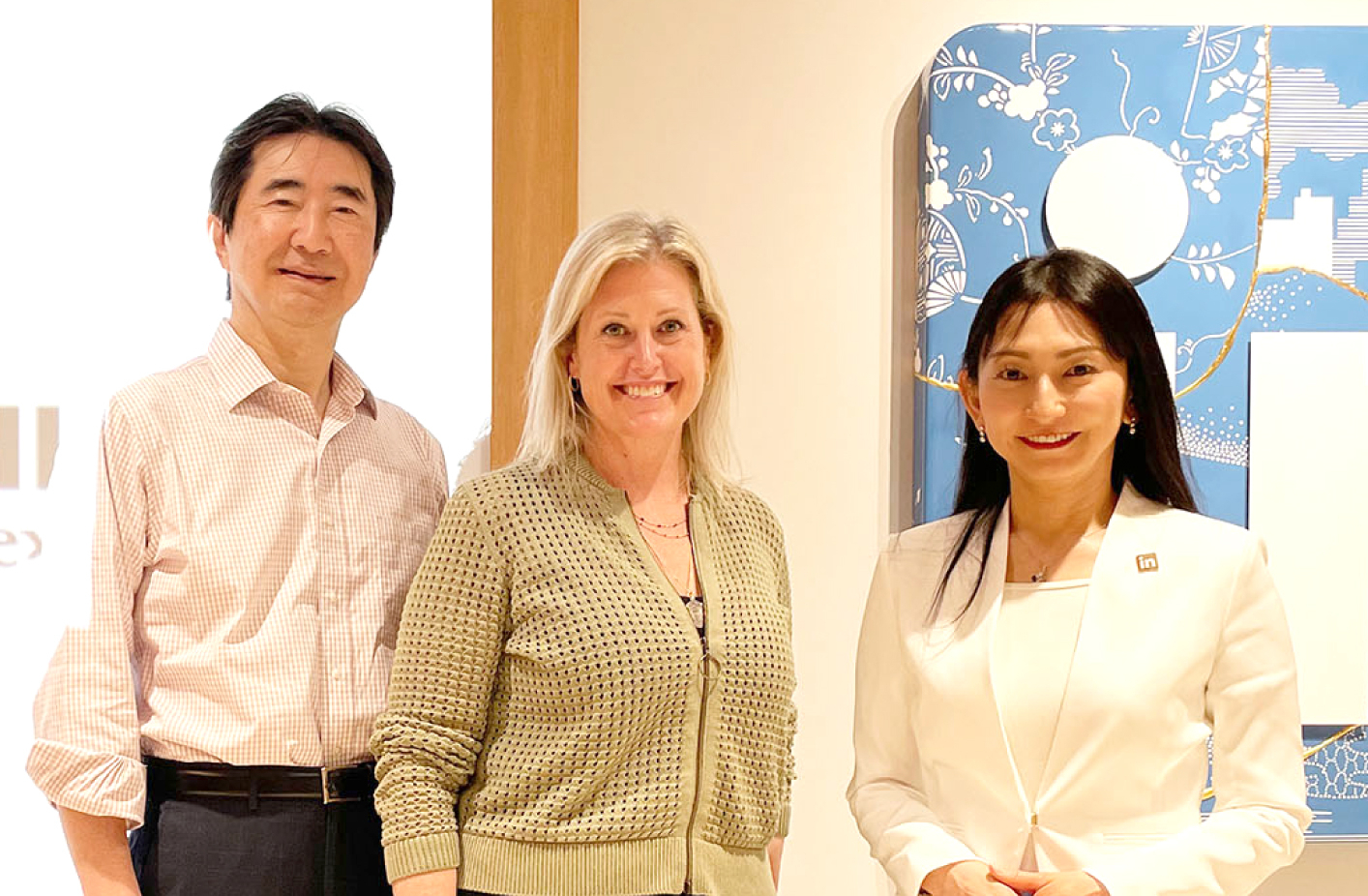
Grand kick-off of the Collaboration Office at HAS(1) on June 24

Kawamura Hearing those numbers really puts on the pressure, but it is exactly the right kind of pressure! The reason these offices must work hand-in-hand with our regional headquarters, like Hitachi India and Hitachi Asia, is simple: business strategy and talent development must be inextricably linked if autonomous, decentralized management is going to work. Ashutosh, from an India perspective, how do you see this shifting the daily mindset?
AshutoshIt alters the mindset fundamentally. When employees and leaders see a physical Hitachi Academy presence in their region, they instantly realize they can develop global-standard talent right at home. It reminds me of a quote by Mahatma Gandhi: "Live as if you were to die tomorrow. Learn as if you were to live forever."

We recently saw a fantastic example of this drive when Hitachi Academy launched self-enrolled global programs. The participation metrics coming out of India were phenomenally high. It proved to our employees that development is no longer locked behind geographical barriers. Furthermore, the Academy's plans for a "Train the Trainer" (TTT) program will open pathways for internal knowledge sharing, giving people with a true passion for teaching a platform to step up.
KawamuraOur regional headquarters have already been doing fantastic work delivering localized training. But from an employee's perspective, what's the difference between taking a standard regional course versus a Hitachi Academy program?
AshutoshIt comes down to the power of global branding and standardized quality. While our local programs have been highly successful, employees naturally strive for international standards. The "Hitachi Academy" name carries the weight of a global knowledge bank. Merging local nuances with that global brand creates a highly enthusiastic reception, shifting the perception from a routine corporate requirement to a prestigious, top-tier development opportunity.
KawamuraThat fits perfectly into our core vision for Hitachi Academy: "Becoming a world-class knowledge hub that inspires connection and learning." By building these hubs directly within the regions, we are taking a definitive step toward making that vision a reality.
AshutoshAbsolutely. If we look at our overarching HR vision, the ultimate goal is to make Hitachi an employer of choice. The capacity to learn is a gift, the ability to learn is a skill, but the willingness to learn is a choice. Through these collaboration offices, we are giving our employees a highly empowering choice.

Activating One Hitachi: Scaling Learning Through Regional Hubs

Unlocking Talent: Enabling TTT at Scale

KawamuraThis level of insight is exactly why these cross-regional conversations are so valuable. Let's dig deeper into the TTT aspect. It reminds me of an incredible moment during our Learning Connect event at Hitachi Asia in April. Right after I spoke, a female colleague immediately raised her hand and volunteered to become a trainer. Prior to that trip, I had been told that there wasn't a strong cultural tradition of volunteering to be a trainer in the Asia-Pacific region. Seeing her step up with that level of enthusiasm was an unforgettable highlight for me.
YinnI remember that moment vividly. To clear up that misconception: the challenge with getting volunteers in APAC isn't a lack of interest, but rather multiple layers of organizational filtering. Usually, initiatives flow from Hitachi Academy to regional HR, then to GMs, line managers, and along the way, unconscious biases can influence decisions around who has the capacity or opportunity to participate. As a result, individual contributors are rarely asked directly.

We were fortunate that the Learning Connect event bypassed those filters. She was in the room, listened to you speak, and was inspired to raise her hand. This tells us we need more open, direct platforms for people to volunteer. There is a wealth of untapped talent across Hitachi, and we need better mechanisms to surface it.
AshutoshI back you up 100% on that, Yinn. In my experience, even when an individual is highly motivated to become a trainer, their direct manager is often hesitant to spare them from daily operational duties. Having a dedicated regional Hitachi Academy collaboration office drastically shortens the bureaucratic distance between the Academy and the individual employee.

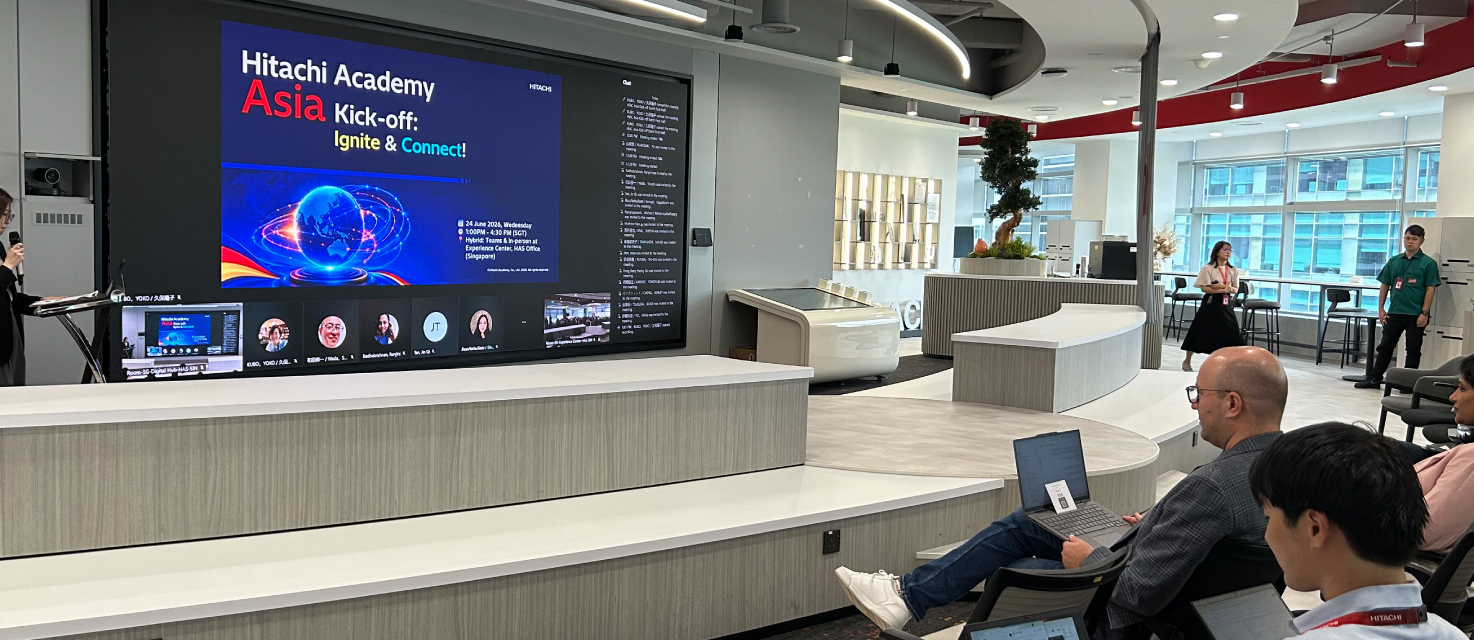
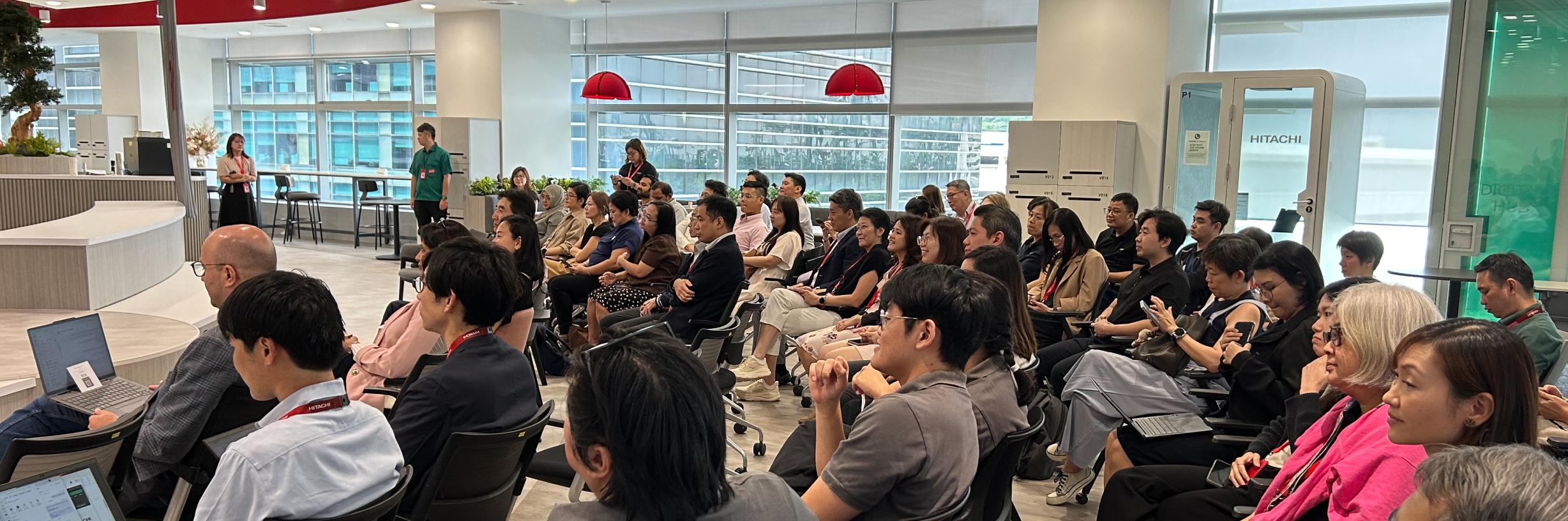
Grand kick-off of the Collaboration Office at HAS(2) on June 24

Local Insight, Global Alignment

KawamuraRemoving that structural distance is a major goal. This leads into our next topic: how will these collaboration offices accurately identify local market needs and translate them into actionable learning? How do you see us balancing global alignment with local context?
YinnProximity to the market gives us a significant operational advantage. Take a competency like "speaking up." In global discussions, some colleagues question the emphasis, suggesting that listening should take priority. However, in many Asian corporate contexts, cultivating a "speaking up" culture remains a critical developmental need.

This is not just cultural. Stronger "speaking up" directly improves decision quality, surfaces risks earlier, and accelerates execution. Building this capability requires a two-sided commitment: leaders must actively foster psychological safety and trust, while individuals need to feel confident and equipped to contribute their perspectives.

Having local collaboration offices allows us to capture these nuanced cultural priorities and bring them into a broader dialogue with Tokyo. We can keep the curriculum aligned with Hitachi's global framework while adapting delivery and emphasis on what matters most in each market. Content is nothing without context.

As we progress towards our Inspire 2027 ambitions, these localized insights and capabilities will be essential to strengthening collaboration, innovation, and execution across the Group.
KawamuraSpot on. How we learn from each other's distinct regional cultures is going to make our global programs much richer.
AshutoshFrom our side, we are already actively mapping out the needs of the various Hitachi group companies across India. However, we must ensure that we always anchor ourselves to the overarching Hitachi requirement--how we want our people to behave and develop collectively as an enterprise. With the direct analytical backing and tools of Hitachi Academy, our local training needs-gathering will become significantly more focused.
KawamuraRight now, we are starting with lean regional teams, but maintaining a constant feedback loop between the collaboration offices and the core team in Tokyo will ensure we pinpoint those local requirements quickly.
AshutoshAnother benefit of this collaborative network is cross-regional synergy. Often, different regions try to solve the exact same training challenges in isolation. Once we pool our data under a single Hitachi Academy umbrella, a program designed by one region can easily open its doors to employees in another region, time zones permitting.

Activating One Hitachi: Scaling Learning Through Regional Hubs

From Strategy to Execution: Powering Inspire 2027 Through Learning

KawamuraWhen we look at the roadmap for the global corporate university, our core curriculum is anchored by three pillars: first, embedding the Hitachi culture globally; second, developing future leaders both globally and regionally; and third, directly supporting the execution of Inspire 2027.

As an immediate starter pack, we are launching self-enrollment programs covering core leadership and essential business skills. Within a year or so, we plan to replicate this collaboration office model in Europe, the Americas, and China, establishing a fully synchronized global L&D organization.
AshutoshFocusing heavily on the first pillar--culture--is vital. Hitachi has been a successful Japanese company for over a century, and sharing the core values and history behind that success is essential for our global workforce. Furthermore, because Hitachi expands rapidly through mergers and acquisitions, onboarding new employees into the company culture quickly ensures they immediately feel like an organic part of Hitachi. Once the cultural foundation is rock-solid, leadership development and business strategy execution will naturally follow.
YinnI love the structural clarity of Culture, Leadership, and Inspire 2027 execution. From personal experience, the leadership programs can be genuinely life changing. GAP-K, in particular, pushed me to rethink what it means to lead with purpose and continues to shape how I manage today.

If I could make one specific ask regarding the third pillar, Inspire 2027 execution, it would be to focus on demystifying our core corporate concepts and making them more accessible. In town halls, employees often hear terms like "Lumada" or "HMAX," but they're not always easy to grasp. L&D can play a critical role in translating these high-level concepts into practical understanding, so everyone can connect their daily work to our goals.

Getting our people to clearly comprehend the Lumada framework and its focus on creative value co-creation with our customers is exactly how we will achieve our strategic targets. L&D can act as a key facilitator, building the capabilities our engineers and sales teams need to expand the Lumada ecosystem and translate strategy into execution.
Ashutosh I echo that completely. If we can develop targeted e-learning modules that break down these specific Inspire 2027 concepts, it will align the entire workforce.

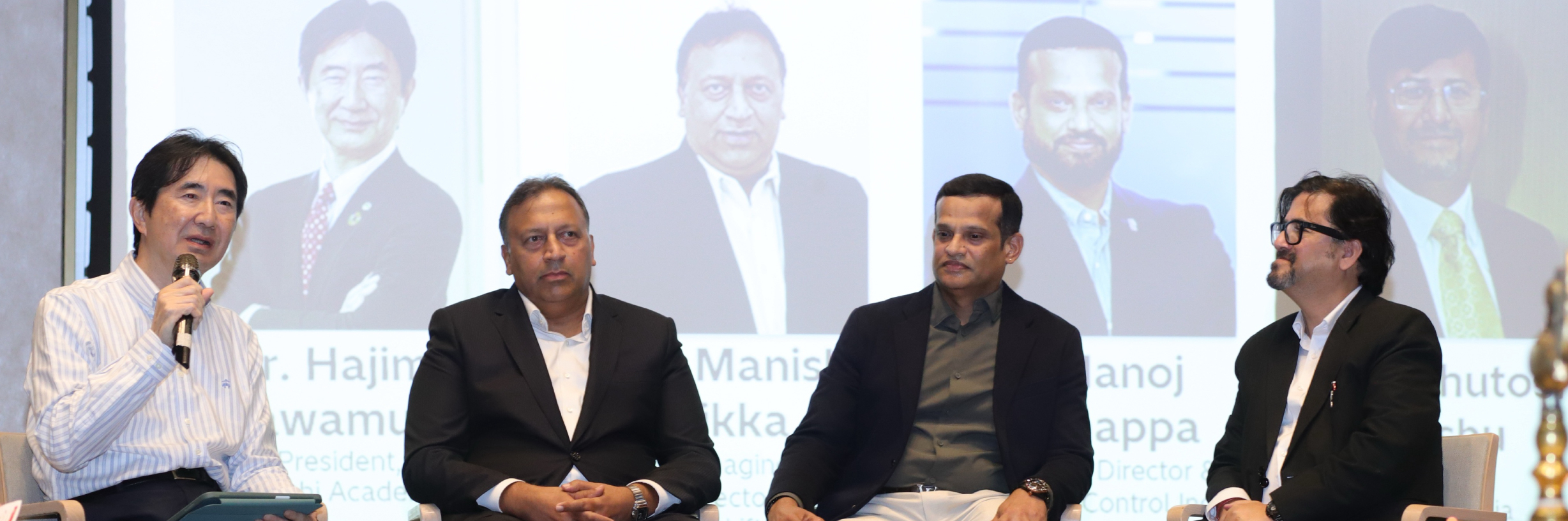
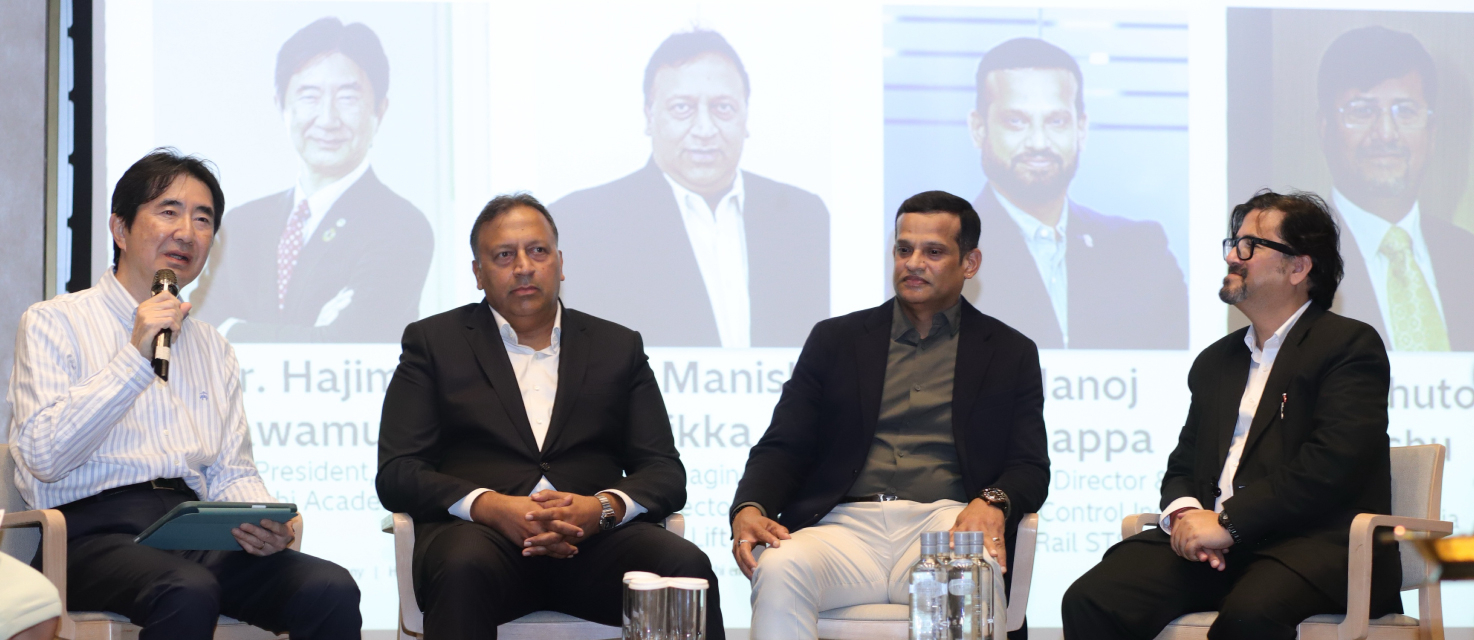
Panel discussion during the grand kick-off of the Collaboration Office at HIL on July 8

KawamuraUltimately, the best way to teach Lumada is by capturing real-world success stories from the regions and sharing them as educational case studies. This means our regional collaboration offices will need to work in lockstep with local business development teams.
YinnBuilding on that, the TTT model helps us retain institutional knowledge within Hitachi. When we rely solely on external consultants, much of that expertise leaves as soon as their contract ends. When an internal leader facilitates a training session, they absorb the diverse ideas and cross-sector challenges shared by participants. In future sessions, they can connect those insights and bring people across different business units together. This creates a rich internal knowledge network while also reducing external vendor costs.
AshutoshI would also add that the networking aspect cannot be overstated. When we run the GAP-M program in India and bring diverse group companies together, we see participants form organic partnerships to support one another's business challenges. Furthermore, our internal trainers in India consistently achieve superior training evaluations because they understand the soul of Hitachi. They speak our leaders' language, understand our internal hurdles, and customize the learning delivery perfectly.
KawamuraLong-term, our trainers won't just serve their own regions; our most experienced regional trainers will eventually travel to support other regions. We will start with the must-haves, stabilize our operations, and then scale up.
YinnTo drive engagement and quality control for this trainer network, we should introduce official digital badges and certifications, like an official "Hitachi Academy Certified Trainer" designation. This would build personal pride, strengthen internal branding, and allow us to track and quantify our L&D impact globally.
KawamuraThat is a fantastic idea. Building these collaboration offices and empowering our local leaders will be an exciting journey. The challenges ahead will only strengthen us, and I look forward to enhancing our support for global business.