The Culture and Value That Only a Corporate University Can Foster
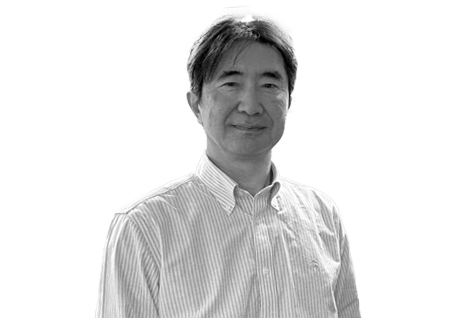
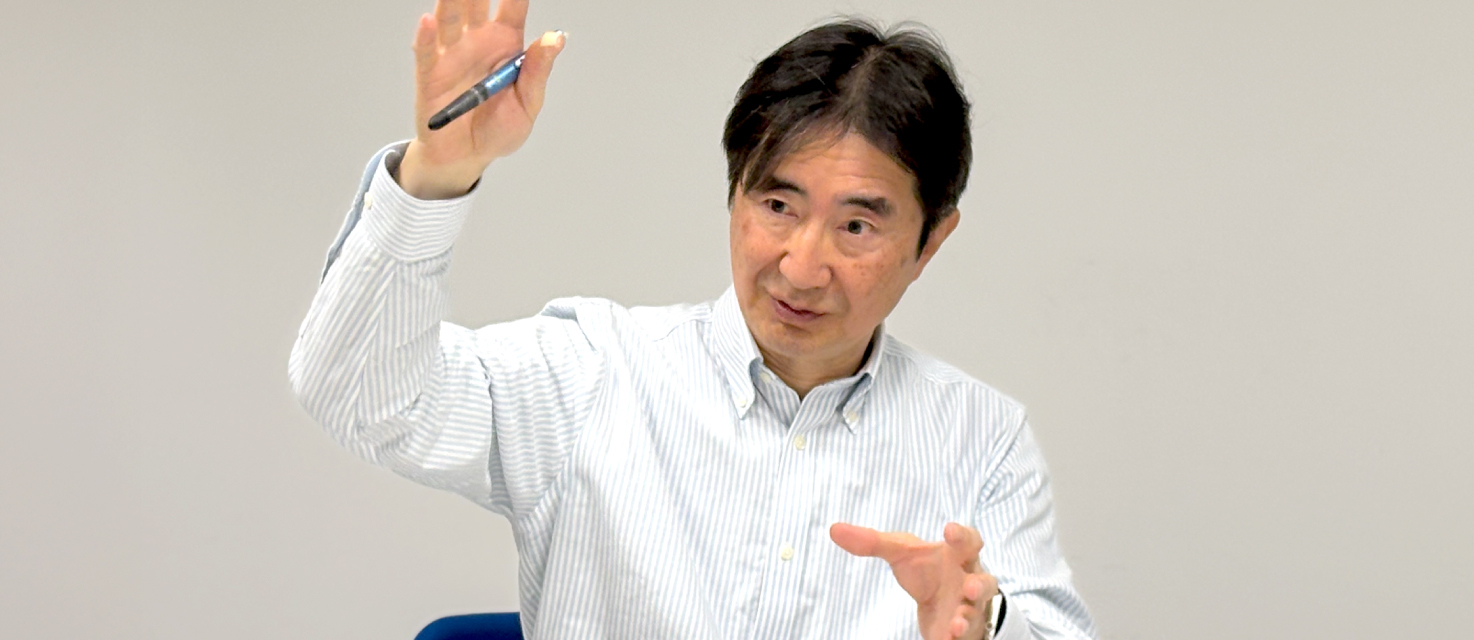
KawamuraUniversal skills and a broad-based education are not gained solely by acquiring knowledge; they are nurtured through dialogue and discussion with others. The question is how we can scale this "development" on a global level.
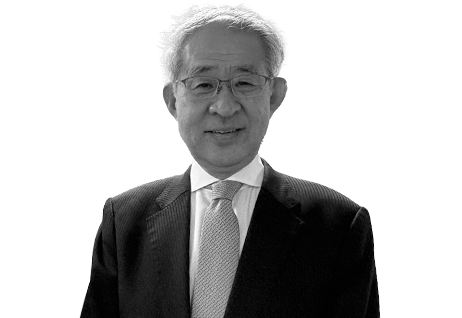
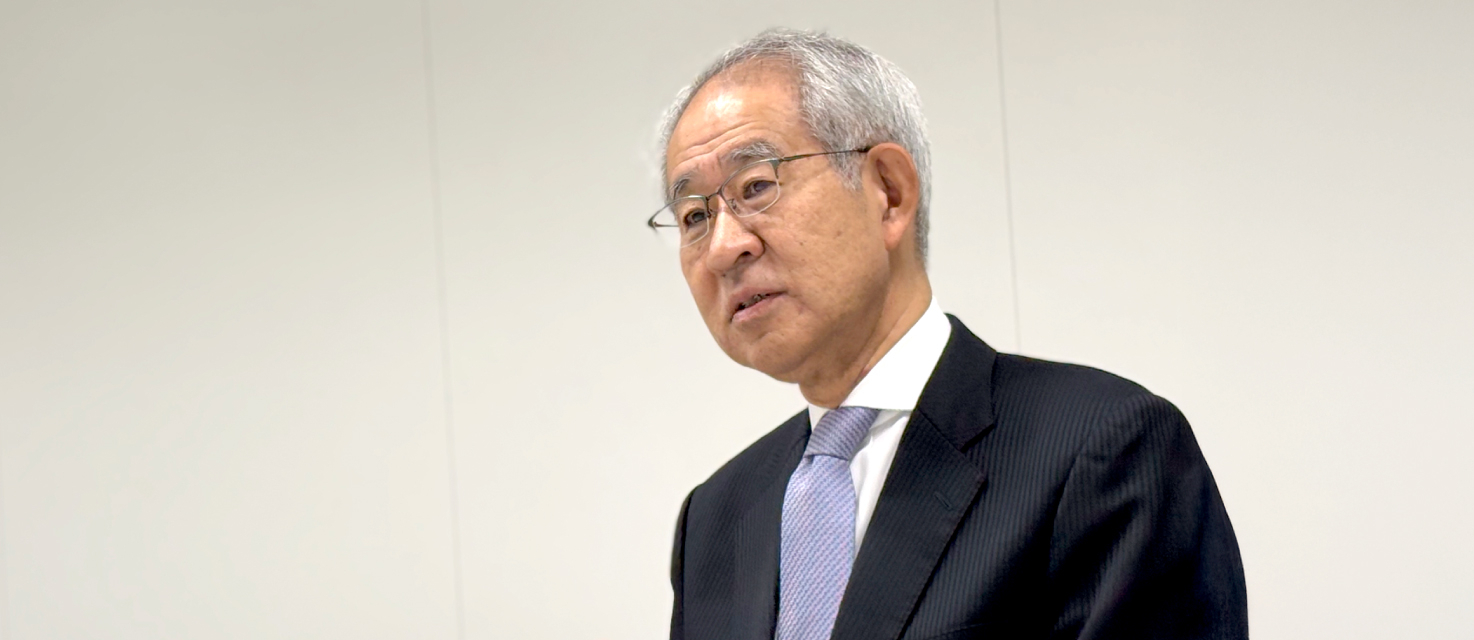
AmbeAlthough we work with external partners such as business schools for broad-based knowledge, the value of Sony's own program lies in helping leaders understand the essence of our philosophy and corporate culture through Sony's history and the examples set by past leaders, and in developing the human capabilities to put that understanding into action. What is crucial here is diversity; when members with different business backgrounds engage in discussion, a kind of chemical reaction occurs that leads to much deeper insights.
KawamuraThat's interesting. By the way, the idea of long-term talent development is well-established in Japan, but it is not as common overseas, which can make it difficult when choosing younger employees to participate in our training. What is your approach to selecting participants?
AmbeFor the junior employees, we intentionally provide open application opportunities, as those who choose to apply on their own initiative tend to show particularly strong learning outcomes. For middle and senior employees, on the other hand, since the company entrusts them with significant responsibilities, we believe each organization should take primary responsibility for selecting the right candidates. I was greatly impressed to hear that Hitachi had clearly defined its ideal leader profile; as having well-defined criteria makes the selection much easier and offers a valuable reference for us. At Sony, senior management has a strong understanding of the value of our university, and takes the selection process very seriously. They often remember the names of participants from their own divisions, which is a huge motivating factor for us on the university management side.
Being selected for training also sends participants the message that the company has high expectations for them. In particular, it inspires those employees who participate in higher-level courses every few years to feel more strongly that the company is investing in them, increasing engagement.
Kawamura I agree, commitment from management is essential. However, we also face the challenge that the Japan side does not yet have full visibility of the outstanding talent overseas. That is why we are working to strengthen "One Hitachi" at both the corporate and regional levels in areas such as North America, Europe, and India. Our goal is to create a common forum where diverse talents selected from around the world can come together for discussions that transcend borders and organizations. While sharing common values, we plan to build a space where people with different backgrounds can challenge and learn from one another, combining global alignment with region driven development.
Ambe In Sony's case, ownership is stronger at each business unit (BU) level than by region. We therefore hold regular discussions with each BU's CHROs to align on selection criteria and our vision for future talent. Our goal is to strategically link BU-specific programs with group-wide initiatives.
KawamuraHow do you separate the content of shared group-wide programs with initiatives specific to each BU?
AmbeWith a 25-year history, our university is well understood by BU in terms of what people can learn from us, which has naturally led to a clear division of roles between the university's programs and BU-specific programs. Some BUs also rotate the programs they send the same individual to from year to year.